Asbestos was once celebrated as a miracle building material due to its fire resistance, durability, and insulation properties.
Widely used in homes and commercial properties constructed before the 1980s, it can be found hidden in insulation, ceiling tiles, floor adhesives, siding, pipe covers, etc.
While intact asbestos materials generally pose low immediate risk, aging or disturbed asbestos releases microscopic, invisible fibers into the air.
Inhaling these airborne fibers can cause severe, long-term health complications, including asbestosis, lung cancer, and mesothelioma—diseases that often take decades to develop.
Deciding when to remove asbestos requires careful evaluation. If you are planning a home renovation, demolition, or structural repair, disturbing wallboard or flooring containing asbestos will shatter the material, scattering toxic dust throughout your property. Similarly, if existing materials are crumbling, cracked, or water-damaged, immediate intervention is necessary to protect occupants.
Attempting to scrape, sand, or haul away asbestos materials yourself is extremely dangerous, as standard household tools and vacuums actually disperse particles further into the air rather than capturing them.
Professional asbestos abatement is the only safe way to manage hazardous materials. Prior to any abatement procedures, a Certified Asbestos Consultant must provide an environmental survey.
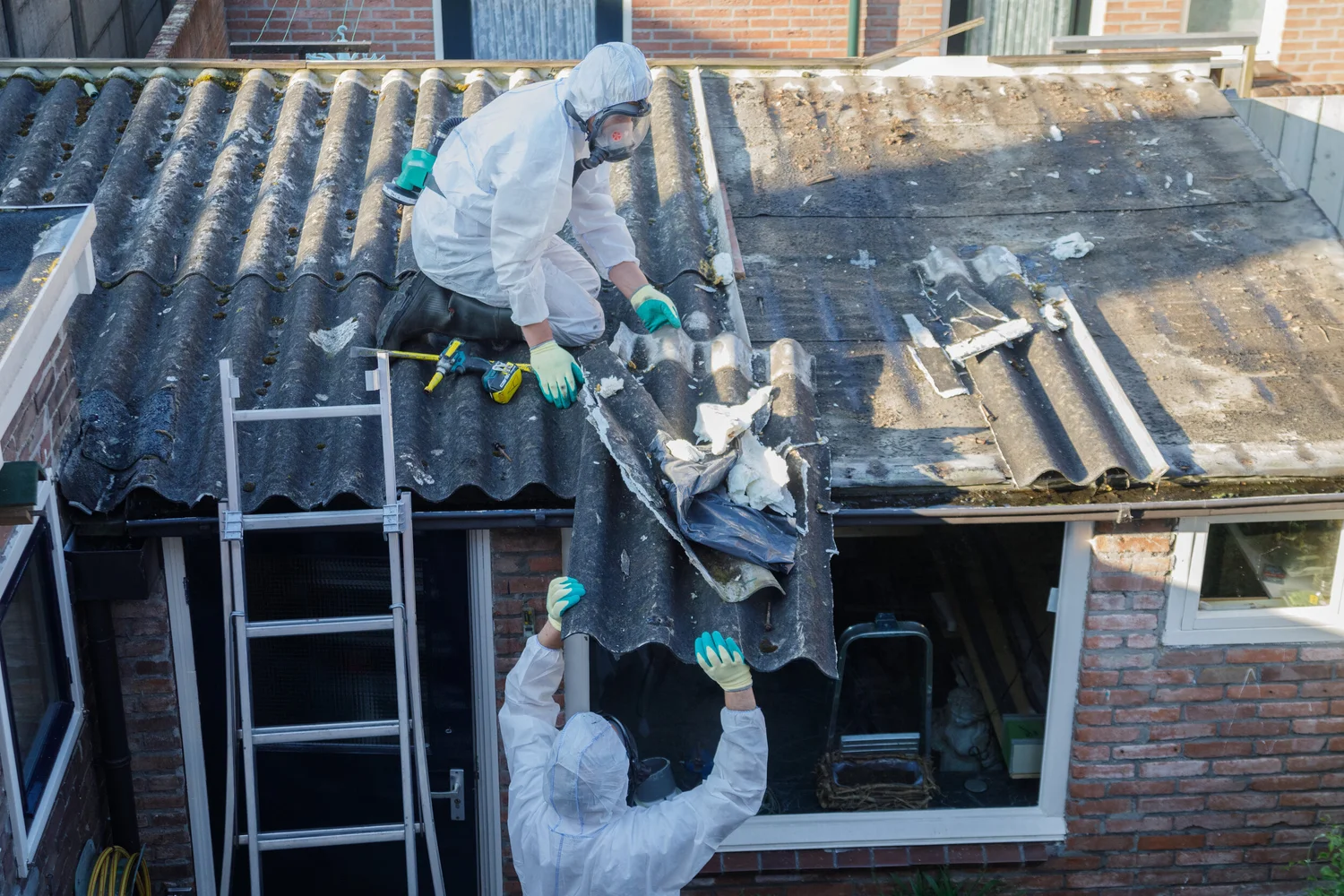
Certified specialists follow strict EPA, OSHA, AQMD guidelines, establishing containment zones sealed with heavy plastic sheeting and utilizing HEPA-filtered negative air pressure machines to prevent fibers from escaping into unaffected rooms.
Operators wear specialized personal protective equipment, wet down materials to suppress dust during extraction, and package all toxic waste into sealed, labeled containers for transport to licensed disposal sites.
Partnering with trained experts ensures the hazard is completely eliminated while safeguarding your health, your family, and your property’s value.