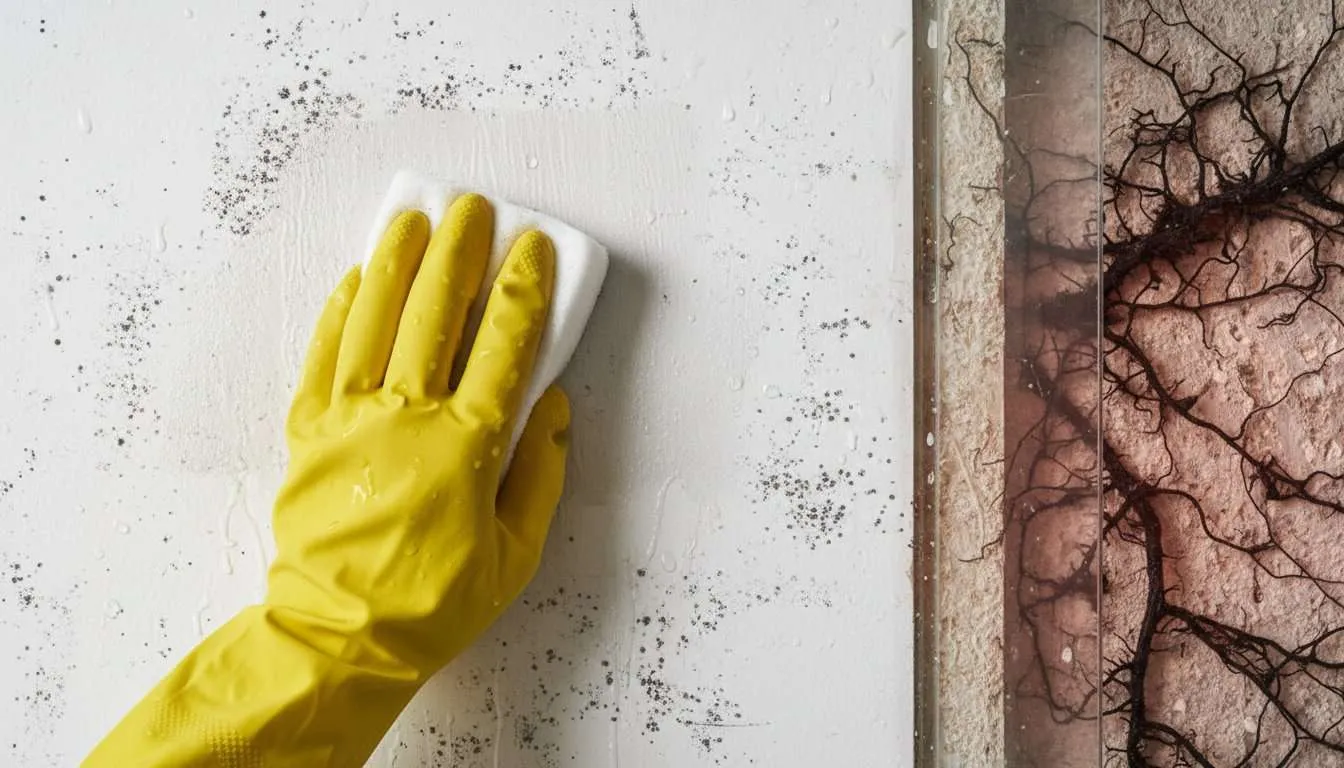
Mold thrives in damp, poorly ventilated environments, making it one of the most common yet deceptive threats to indoor air quality and structural integrity. Whether stemming from an unnoticed plumbing leak, high indoor humidity, or post-flood water damage, microscopic mold spores can take root in drywall, insulation, and wood within 24 to 48 hours. Beyond causing unsightly stains and musty odors, active mold infestations release airborne allergens and, in some cases, mycotoxins that trigger respiratory distress, severe allergies, and chronic health issues. Identifying the source of moisture early is crucial, but removing the visible mold without addressing the underlying moisture only guarantees its return.
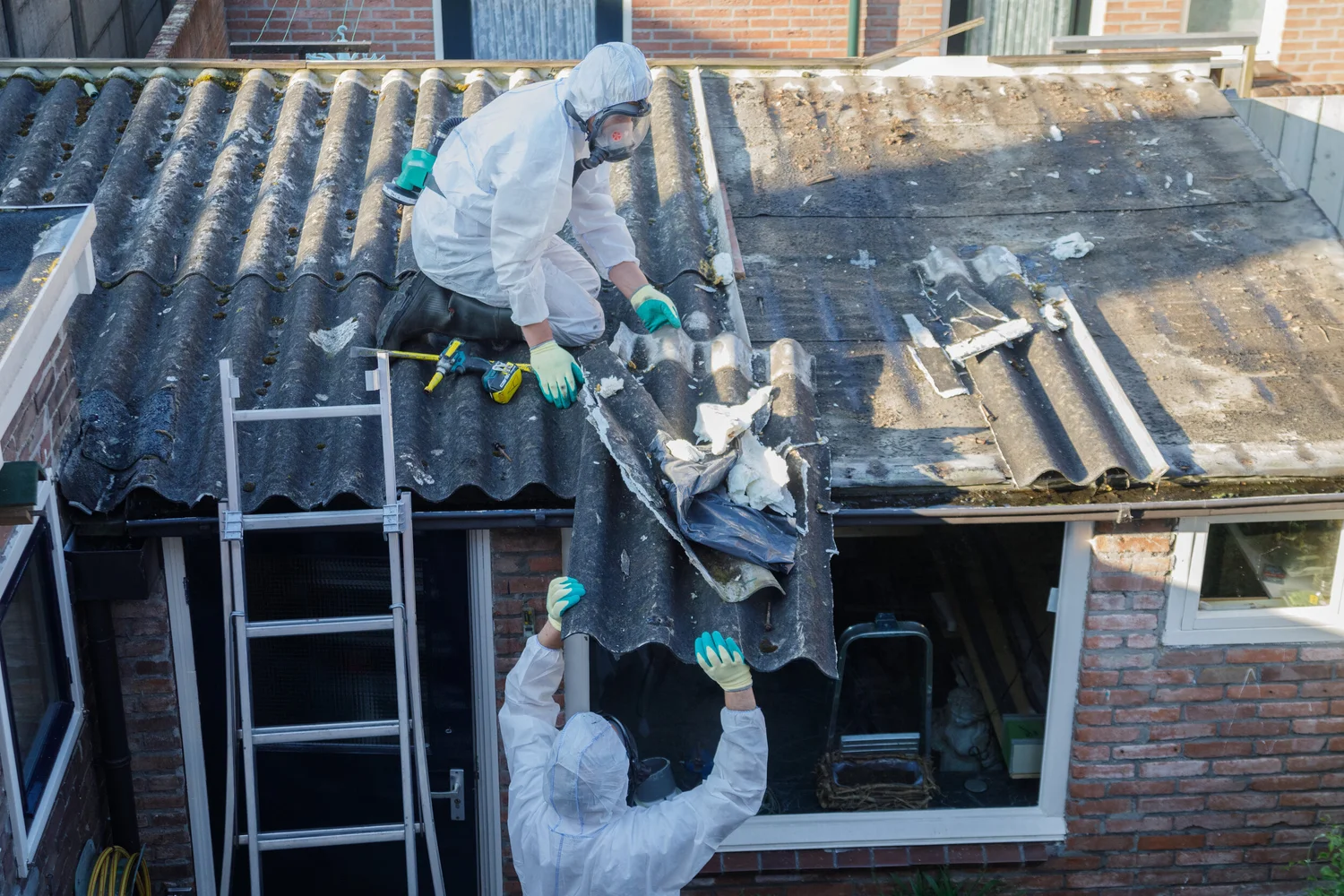
Effective mold removal—often referred to as remediation—requires careful containment to prevent spores from cross-contaminating unaffected areas of the home. Simply spraying bleach on porous surfaces like drywall or carpeting often fails, as mold roots penetrate deep beneath the surface where household cleaners cannot reach. Professional remediation involves sealing off the work zone with heavy plastic sheeting and establishing negative air pressure using HEPA-filtered air scrubbers to capture airborne spores. Contaminated porous materials must be safely cut away and discarded, while non-porous surfaces are thoroughly scrubbed, treated with antimicrobial fungicides, and dried using high-velocity air movers.
The final and most vital phase of mold remediation is long-term prevention through strict moisture management. Once physical cleanup is complete, indoor humidity levels must be consistently maintained below 50% using commercial dehumidifiers, adequate ventilation in kitchens and bathrooms, and proper attic and crawlspace airflow. Fixing foundation cracks, repairing roof leaks, and ensuring correct outdoor drainage away from the home prevent water from intruding again. Following thorough cleanup, air quality testing and moisture readings confirm that spore counts have returned to normal levels, ensuring your living space remains safe, dry, and healthy.